
Blog
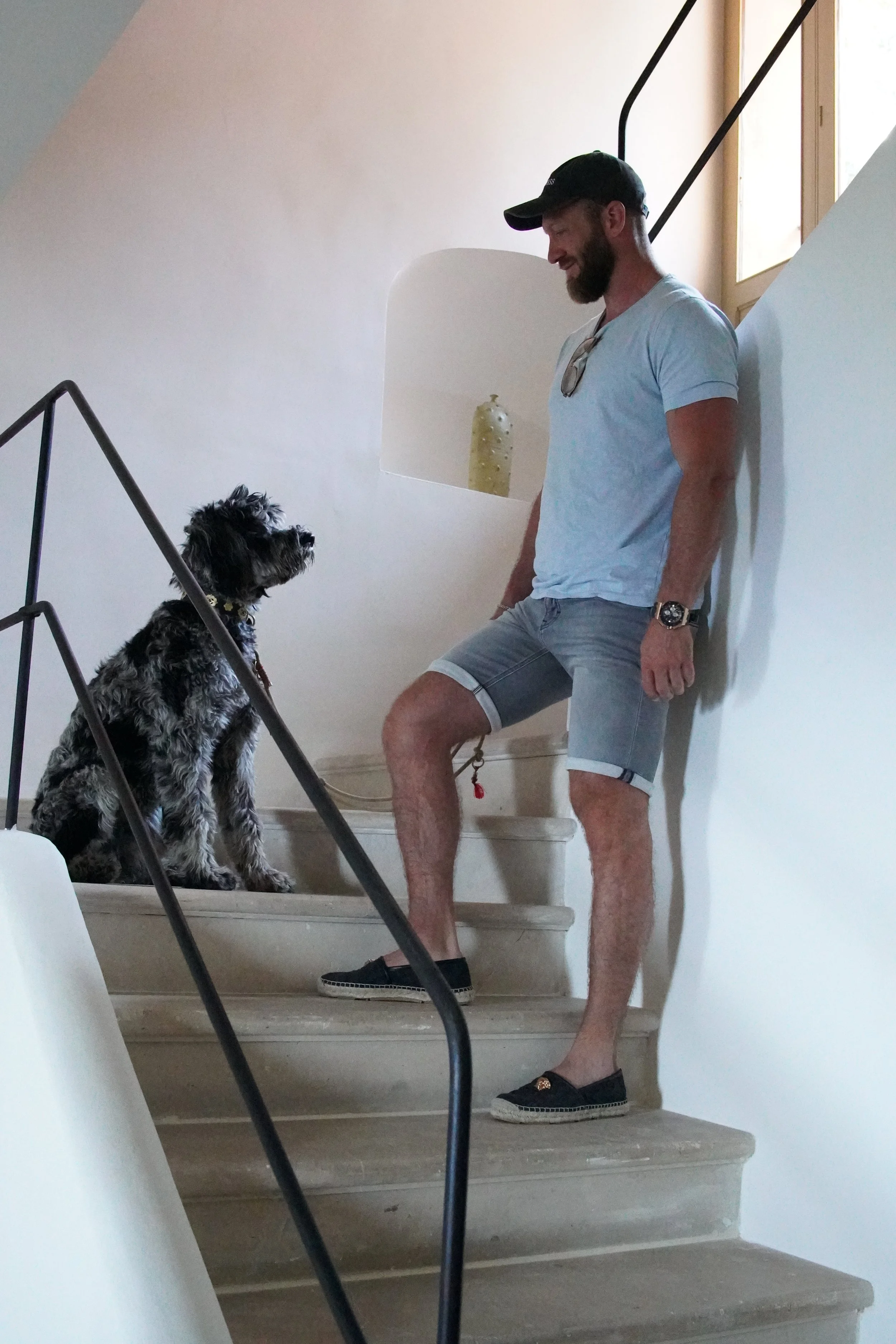
Do I always have to go through the door first? Can my dog get on the couch?
These questions come up time and again in my coaching sessions. And they’re valid—because they touch on an important fundamental principle of dog training: structure and phases.
Many people look for set rules. But when training a dog, there aren't just rigid rules—there are different stages, personalities, and situations.
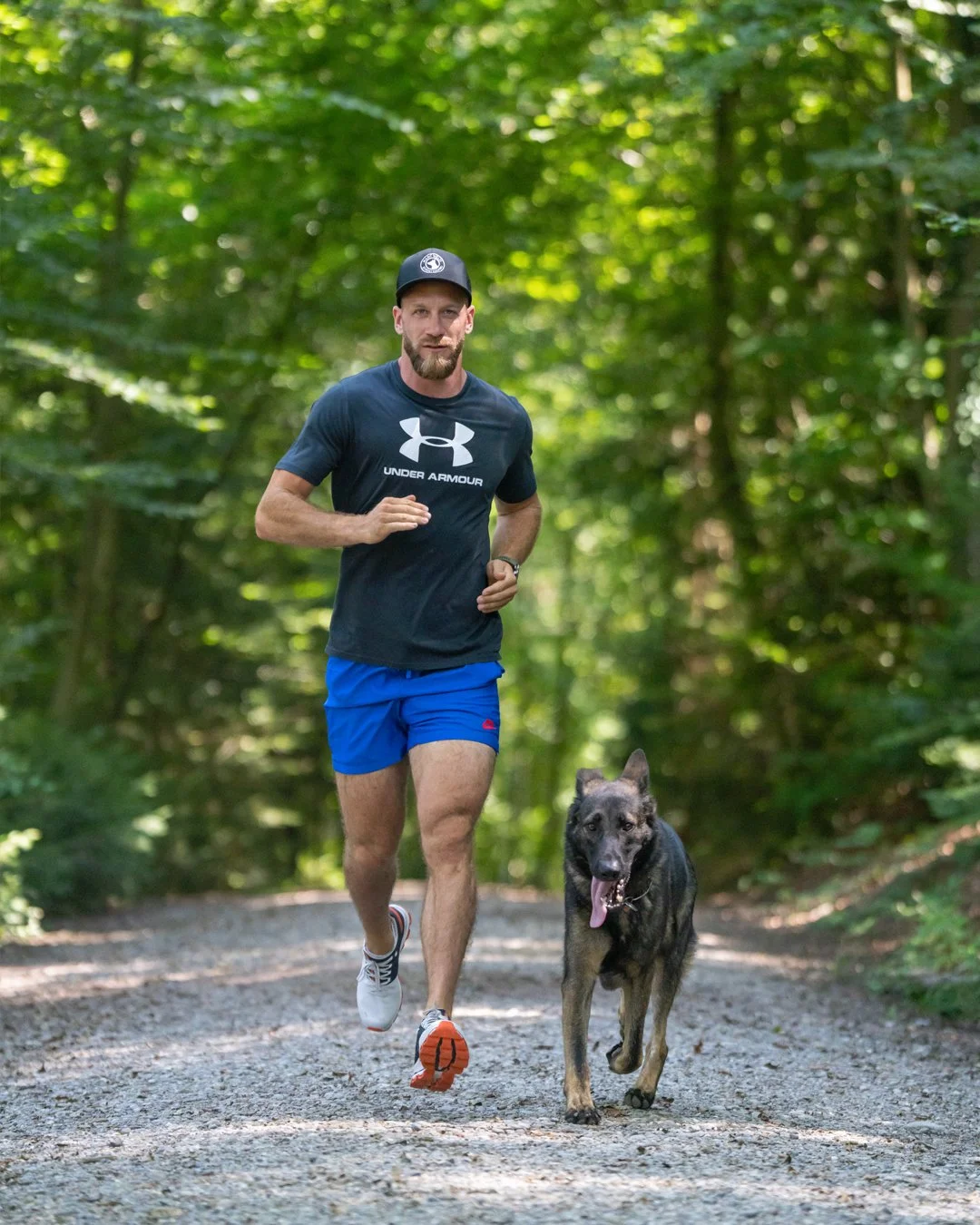
Discipline is like a muscle—even when it comes to training dogs
Discipline is often misunderstood. Many people think you either have it or you don't. But that's not true.
Discipline is like a muscle: When you use it, it consumes energy. When you train it, it gets stronger. And when you push it too hard, it gets tired.
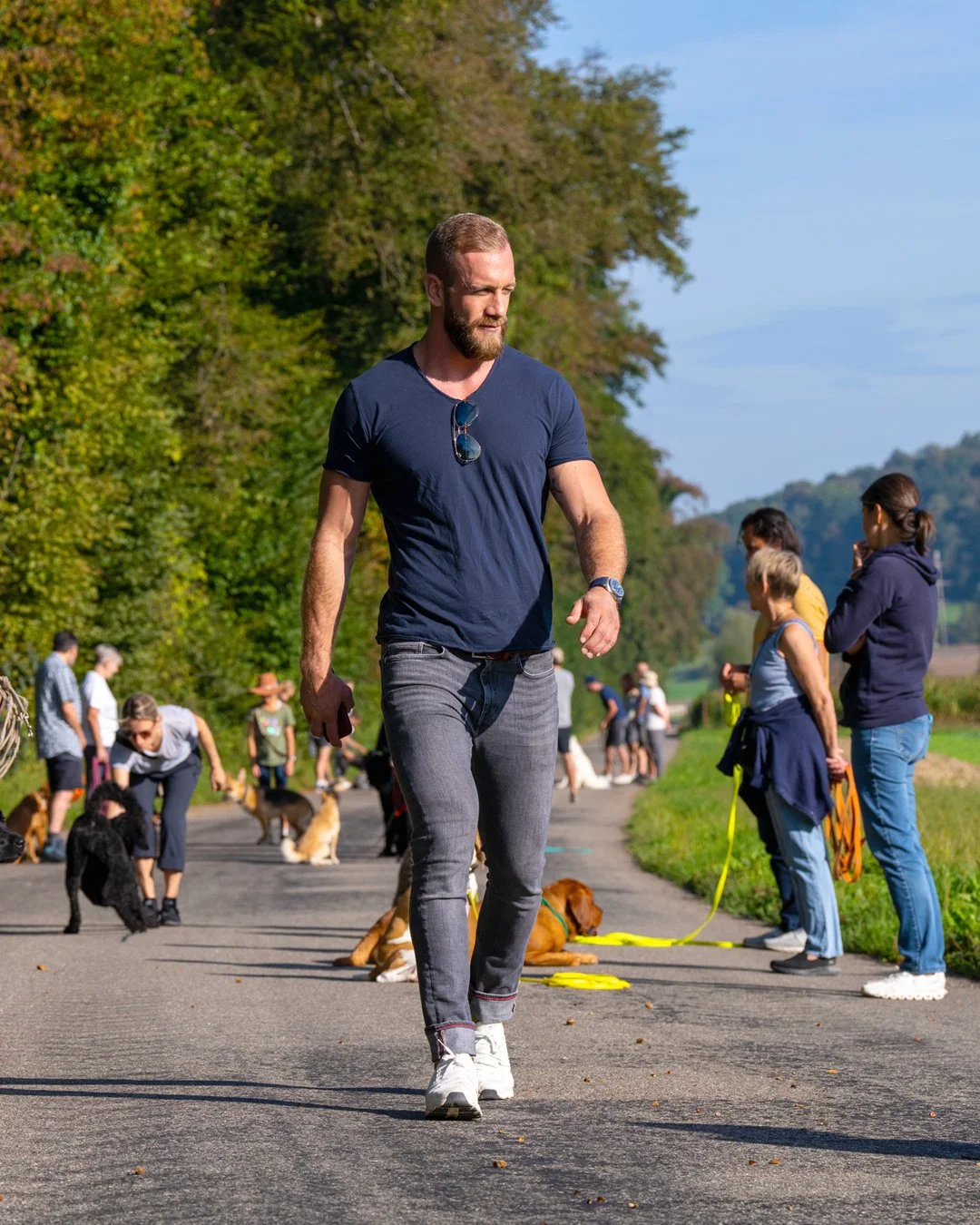
Why Training Partners and Training Groups Are a Real Catalyst
There is something that goes far beyond individual training sessions. Something that often makes the decisive difference between a little training and real growth.
It’s the people you journey with.
To date, more than 6,000 dog-handler teams have completed the training program at Marc Welti Dog Training: "The Dog Without a Leash." Over time, this has given rise to something very valuable: a strong community.
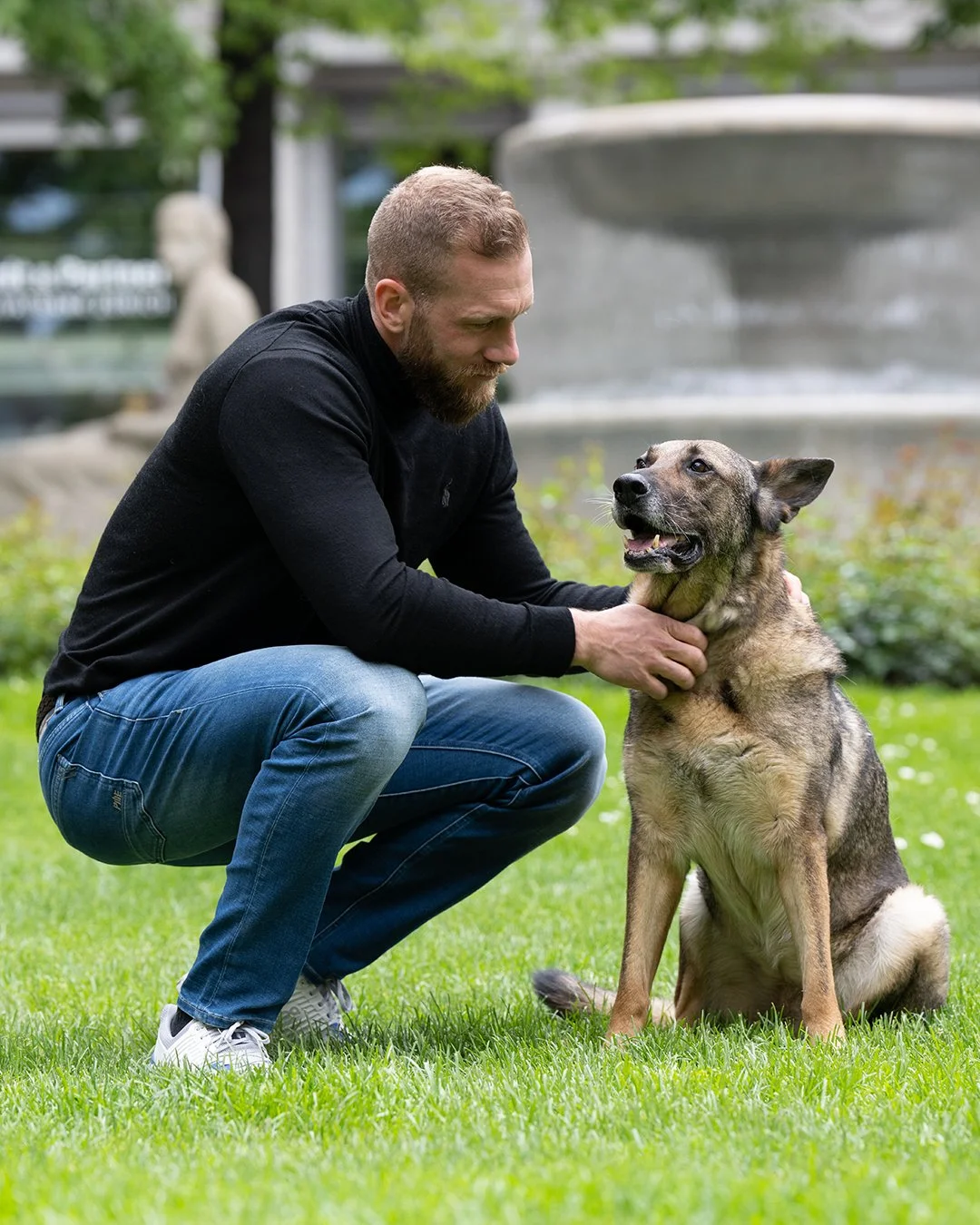
Being strict isn't mean—it's love in action
Time and again, I come across the same issue in my coaching sessions: Many dog owners aren’t strict enough with their dogs. They let things slide, make excuses, negotiate, or hope that “things will get better eventually.” And time and again, I hear the same phrase: “I don’t want to be too strict.”
But what does that actually mean—“being strict”? And why do so many people find it so difficult?
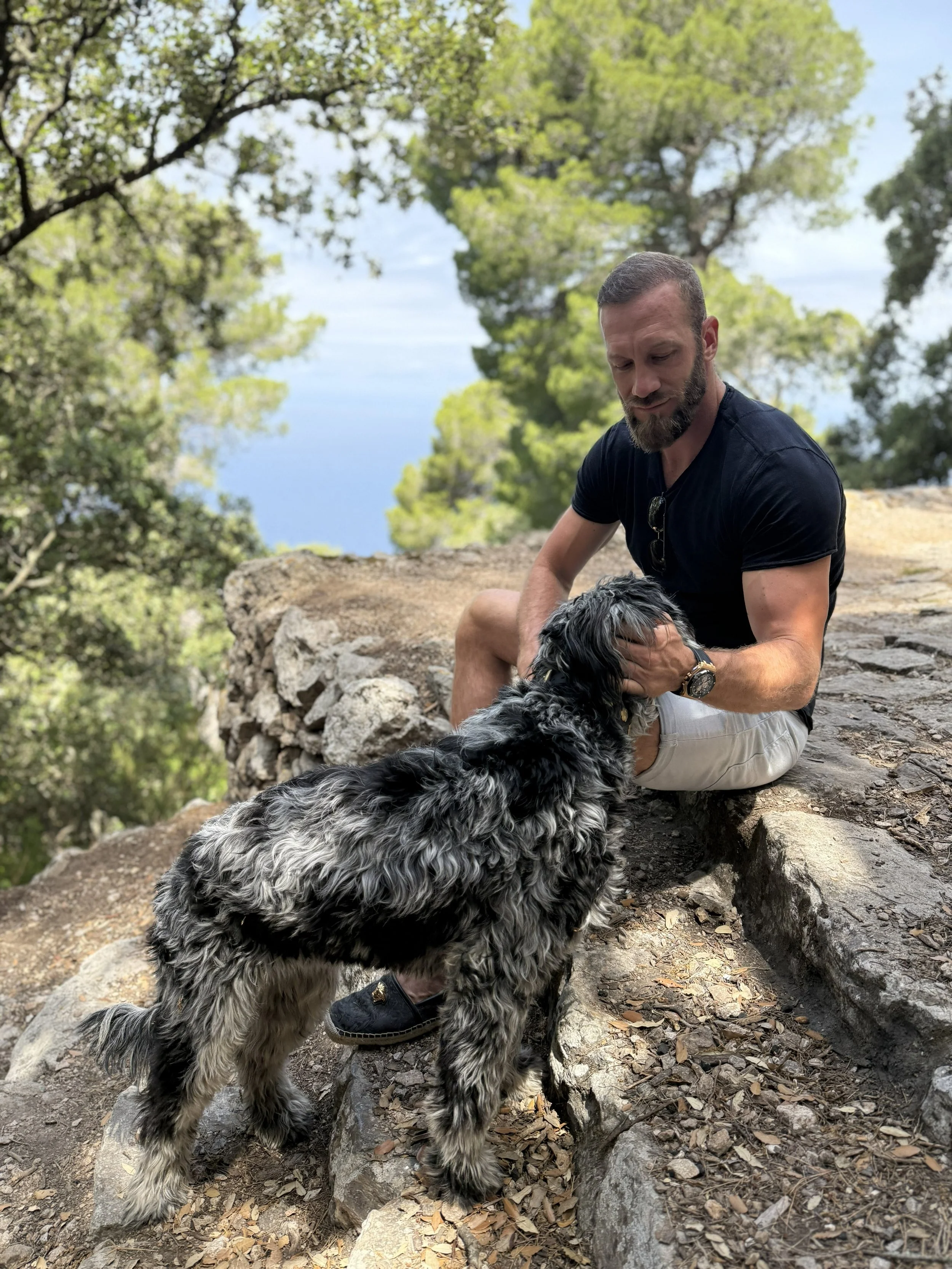
The Theseus Metaphor – Why Your Dog Changes Without Becoming a Different Dog
In dog training, there’s an important concept that many people need to understand before real change is possible: Your dog won’t become a different dog.
He’ll become the best version of himself.
There’s a beautiful metaphor that explains this: the Ship of Theseus.
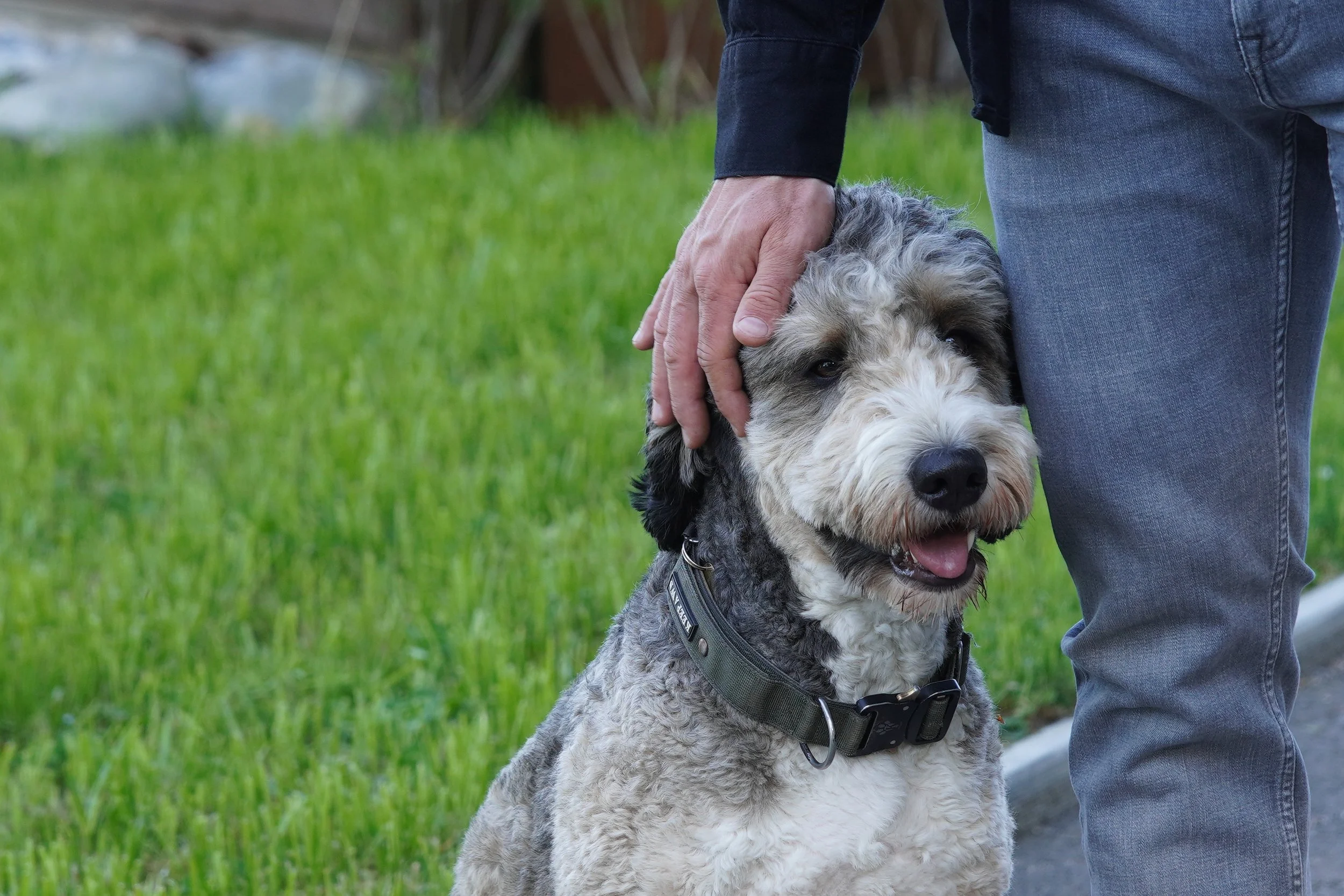
Why Desensitization Is So Often Overlooked in Dog Training
One of the most underrated topics in dog training is desensitizing dogs to people. This is discussed far too little, even though it’s incredibly important in practice. Many people automatically assume that a dog is completely accustomed to people, but is that really the case?
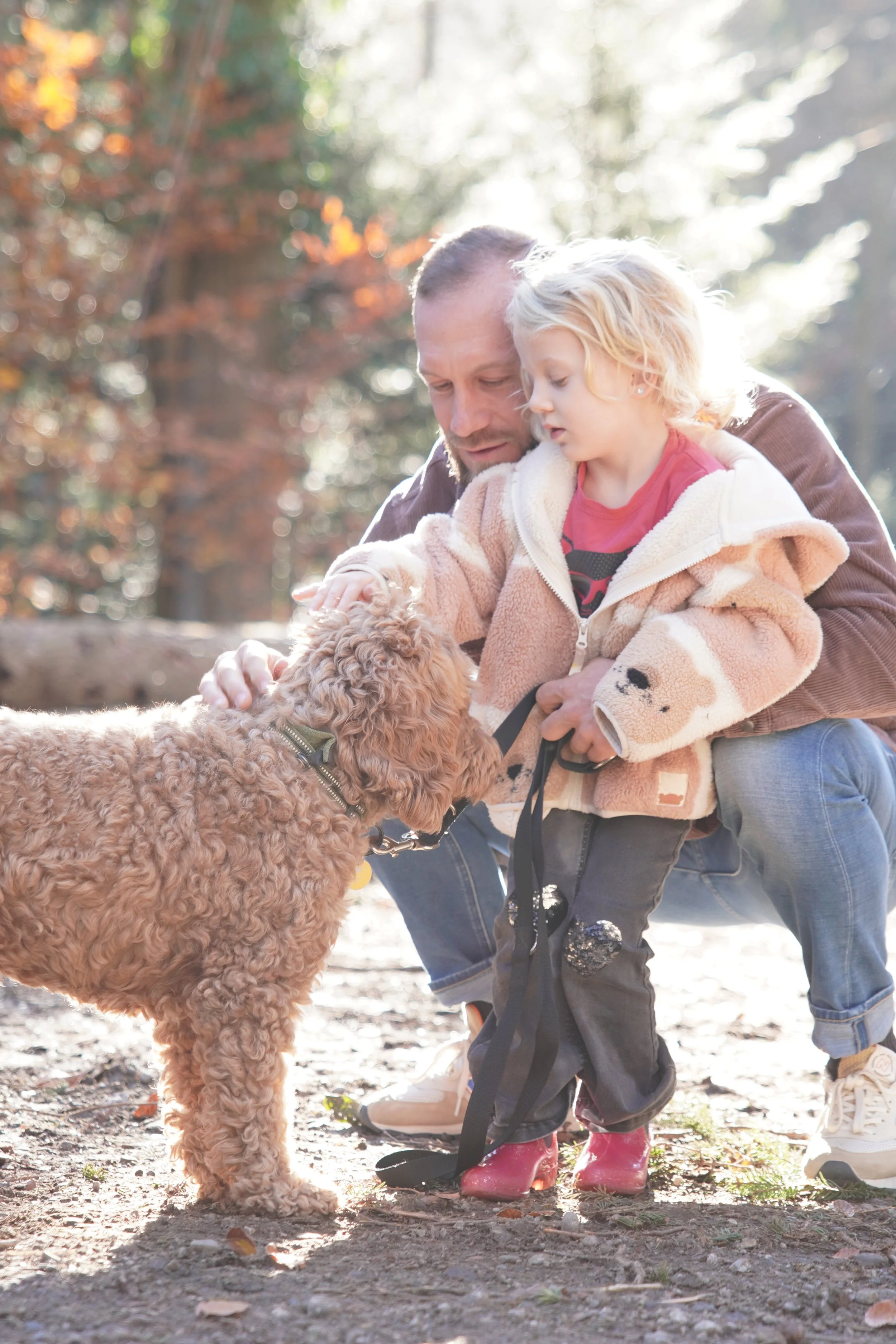
Family Dynamics and Dog Training
In every family, everyone has their place—including your dog. And just like with us humans, this clear structure provides security, guidance, and trust.
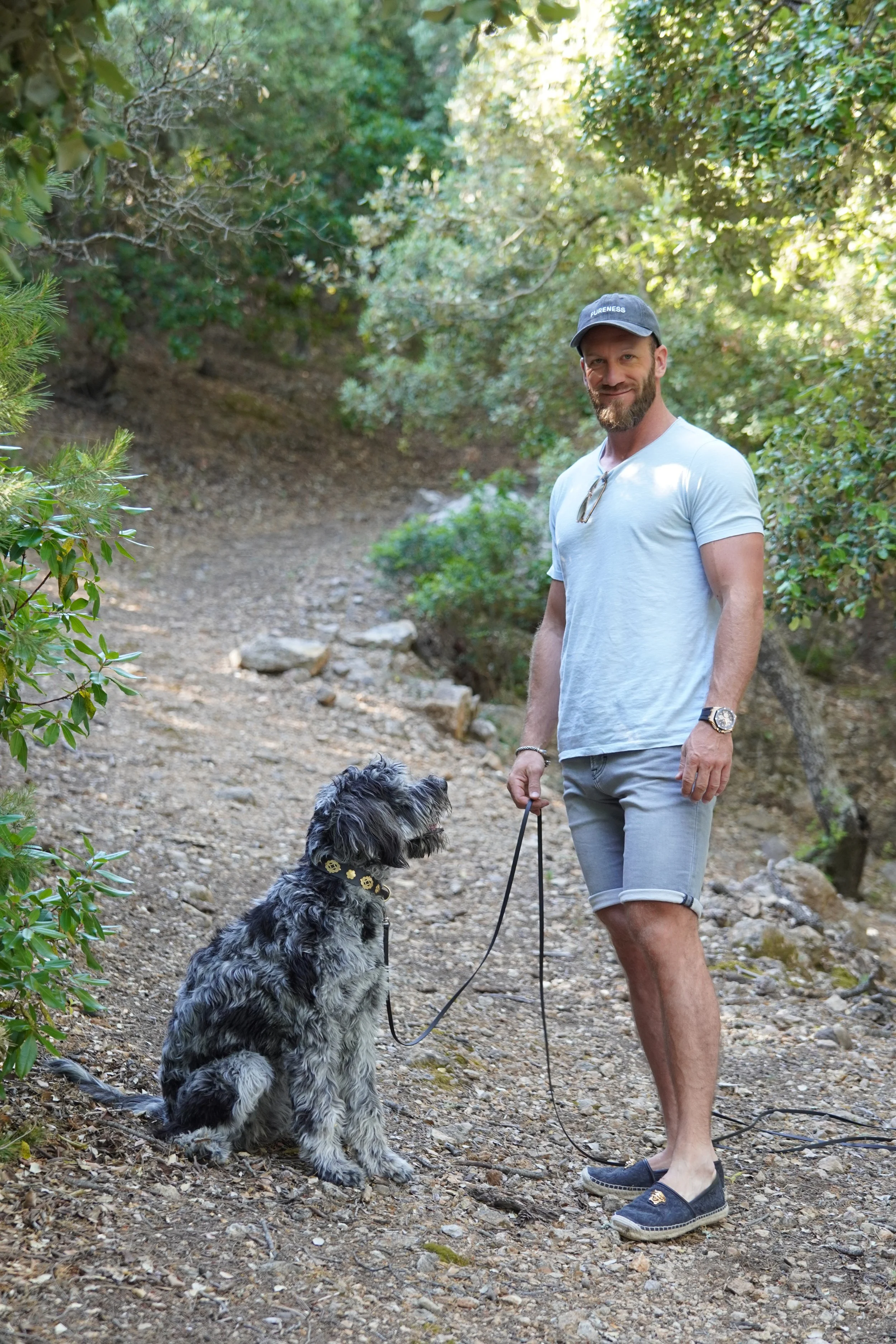
Why Your Dog Acts Differently Outside Than at Home
At home, your dog is calm. He listens. He seems responsive. You might even think: Actually, he can do it.
And then you go outside. Suddenly, everything is different.
The dog is excited. He pulls. He’s on the lookout. He reacts to every sound. You have to repeat commands several times. And even then, there’s no guarantee he’ll get the message at all.
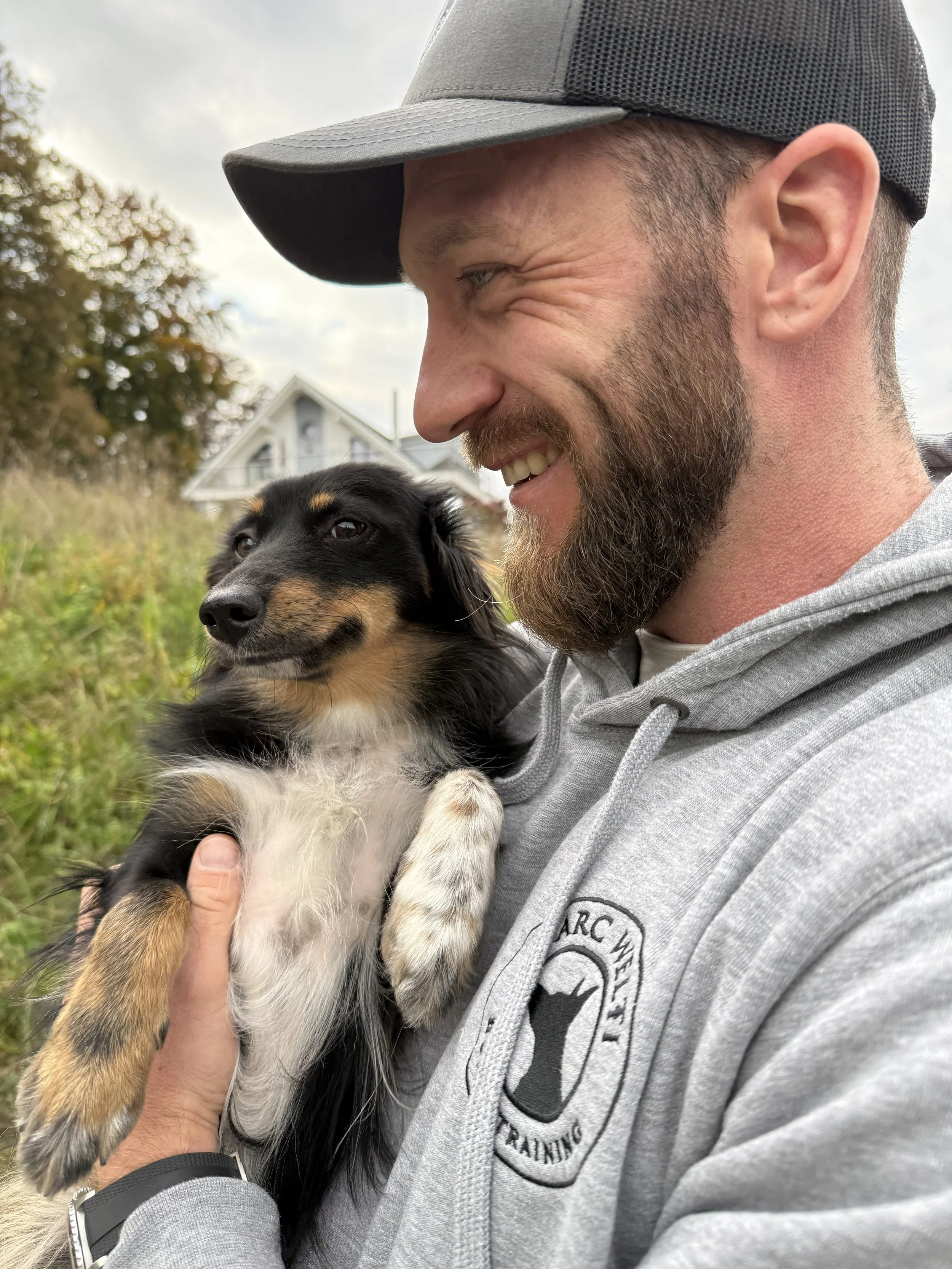
Arrogance or Clarity? – Why I Stand by My Opinion
There are dog trainers and self-proclaimed dog experts who call me arrogant. But what they’re confusing is quite simple: clarity with arrogance.
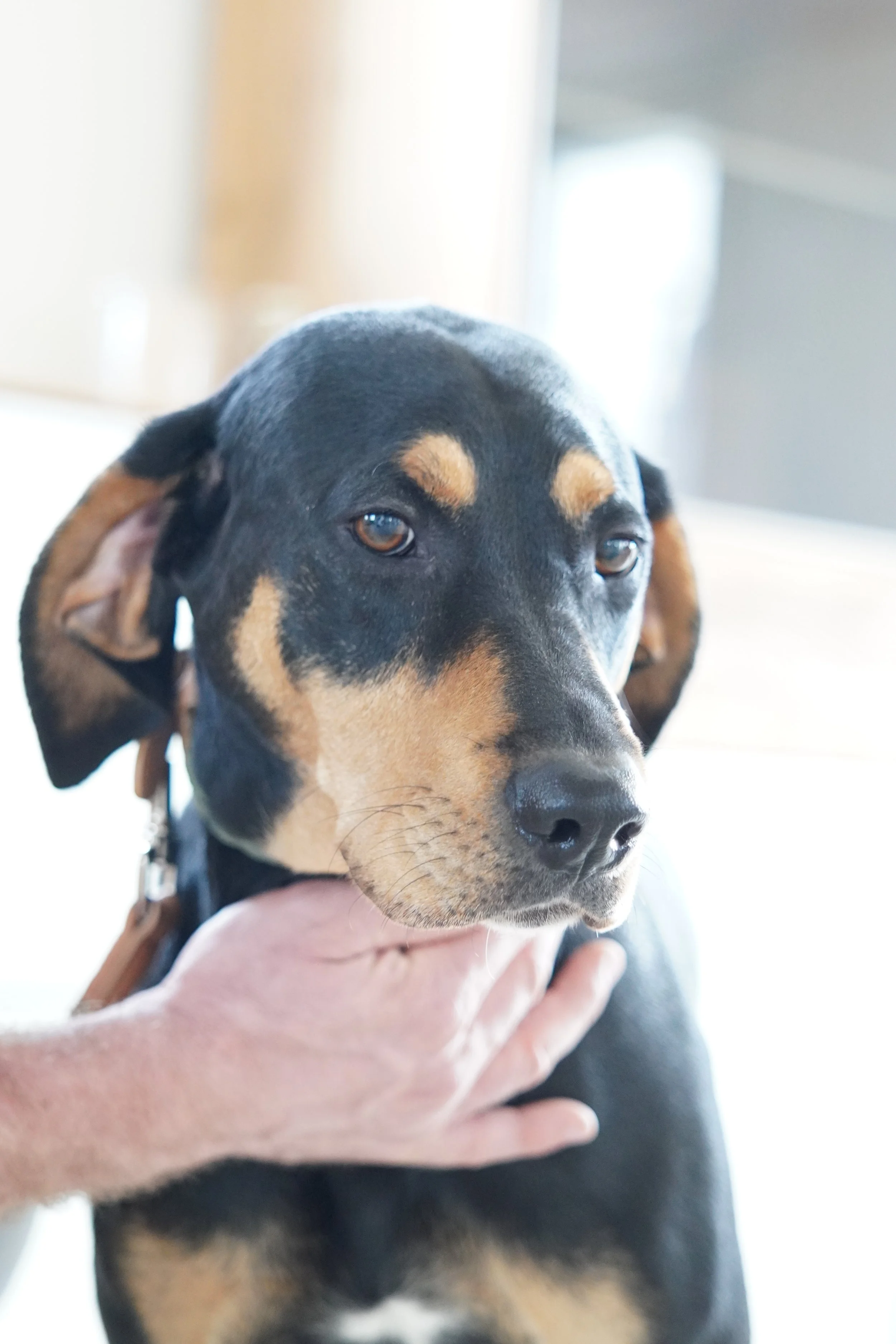
The Three Stages of Development in Dog Training
Many people want their dog to “just work” right away. But true trust and reliability develop in stages—just like any stable relationship.
In dog training, there are three developmental phases that you should be aware of and respect if you want long-term success and true teamwork.
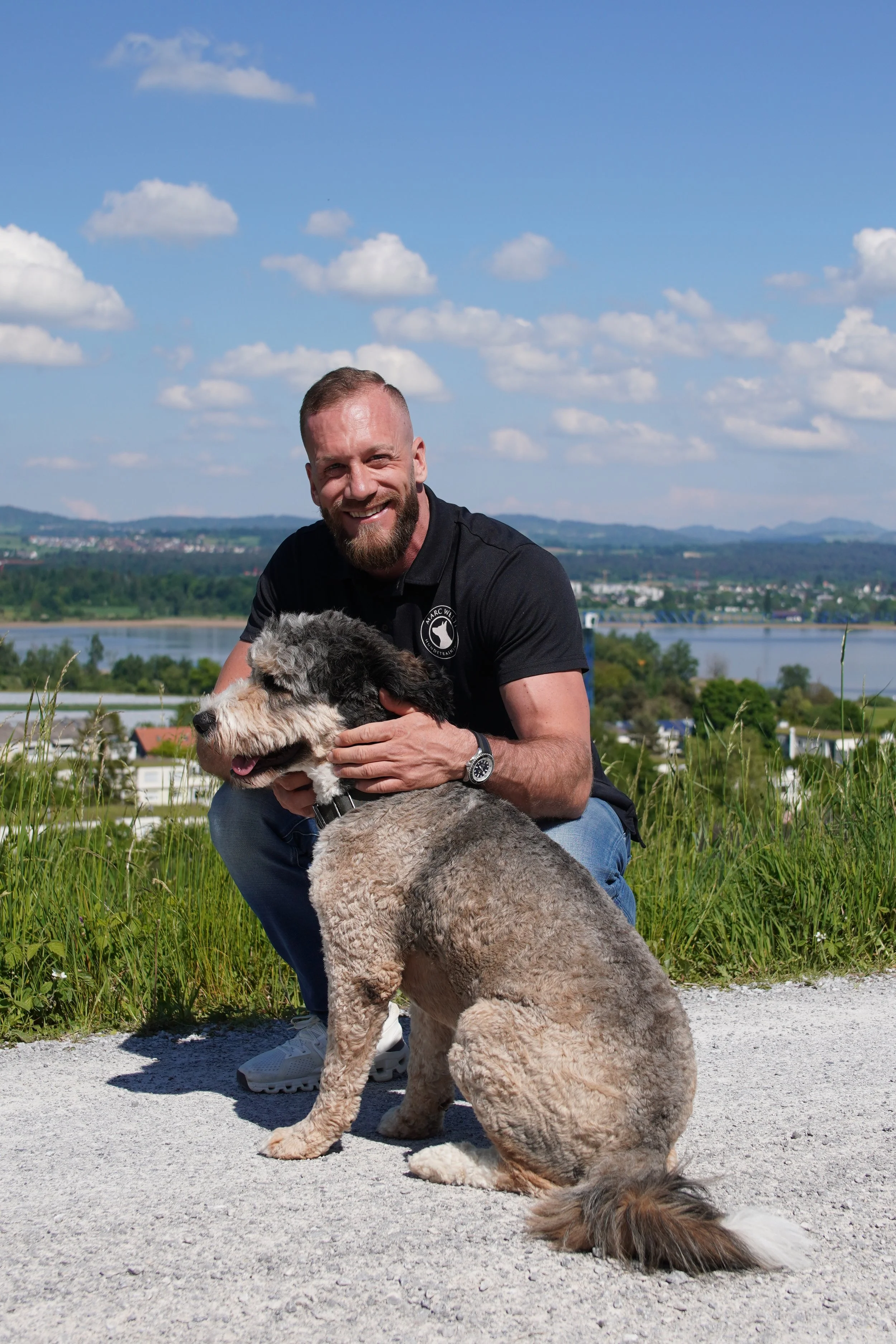
What is a “vacuum”?
A vacuum always arises when something is missing that normally provides support, direction, or structure.
It is, therefore, an empty space in which no clear energy prevails—no “leadership,” no “framework,” no decision, no responsibility.
Nature (and every social system) cannot tolerate a void. As soon as a vacuum arises, it is automatically filled. And this always happens—immediately.
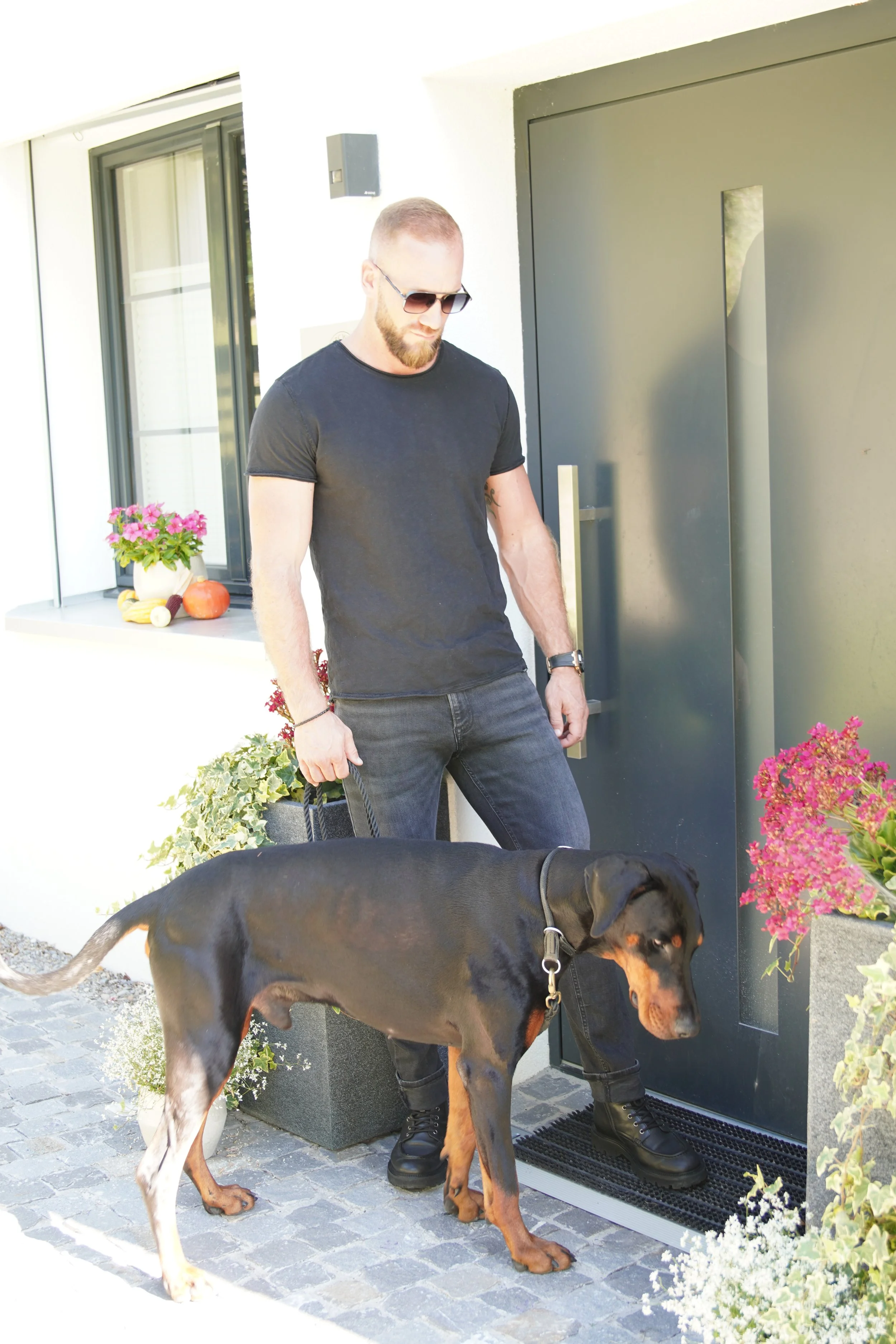
Feeling nervous before your first private training session? – No need to worry
Many people feel nervous when they come to me for their first private training session. And you know what? That’s completely normal.
You and your dog are in a new situation, you don’t know exactly what to expect, and of course you want to do everything right. But it’s very important to me that you understand: I’m not here to judge you.
Why It Doesn't Matter Why Your Dog Does Something
Many dog owners make the same mistake: '
' They focus too much on why their dog is doing something.
Why does he bark at this dog—but not the next one?
Why does he freak out at all when he sees dogs?
Did he have a bad experience in the past? Did the other dog stare at him too intently?
You brood, analyze, and search for rationally explainable reasons for things that cannot be rationally explained. But this is exactly where you waste your energy—and lose sight of what really matters.
Group Training—A Place for Growth, Not for Comparison
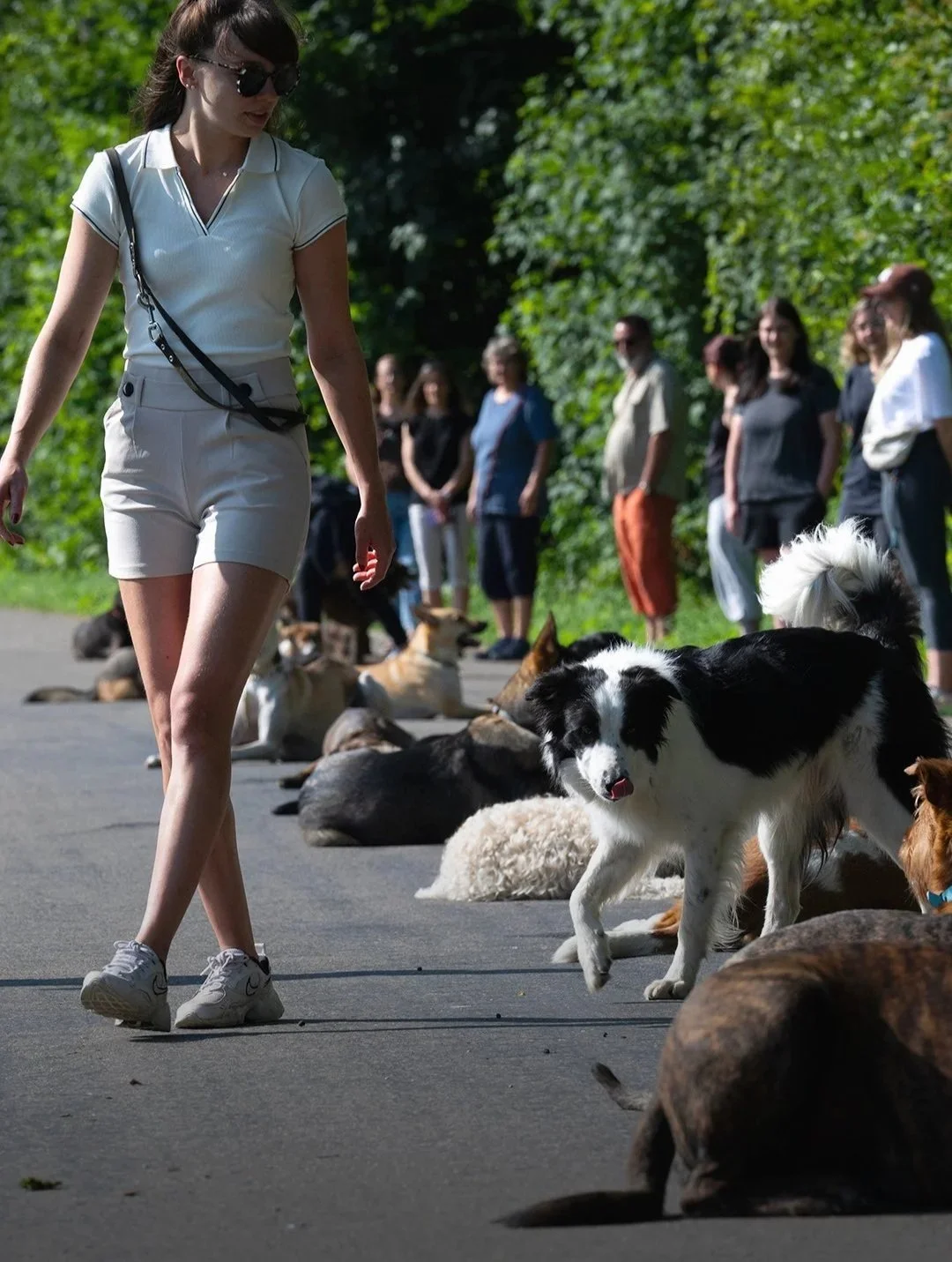
Group training is for practicing. Not for measuring. Not for comparing. Not to show who’s the best, whose dog listens the best, or who knows the most. It’s about one thing and one thing only: growth. It’s about making progress. Staying the course. Learning more. Gaining more experience. Practicing more.
Freedom is not the opposite of education. It is the result of it.
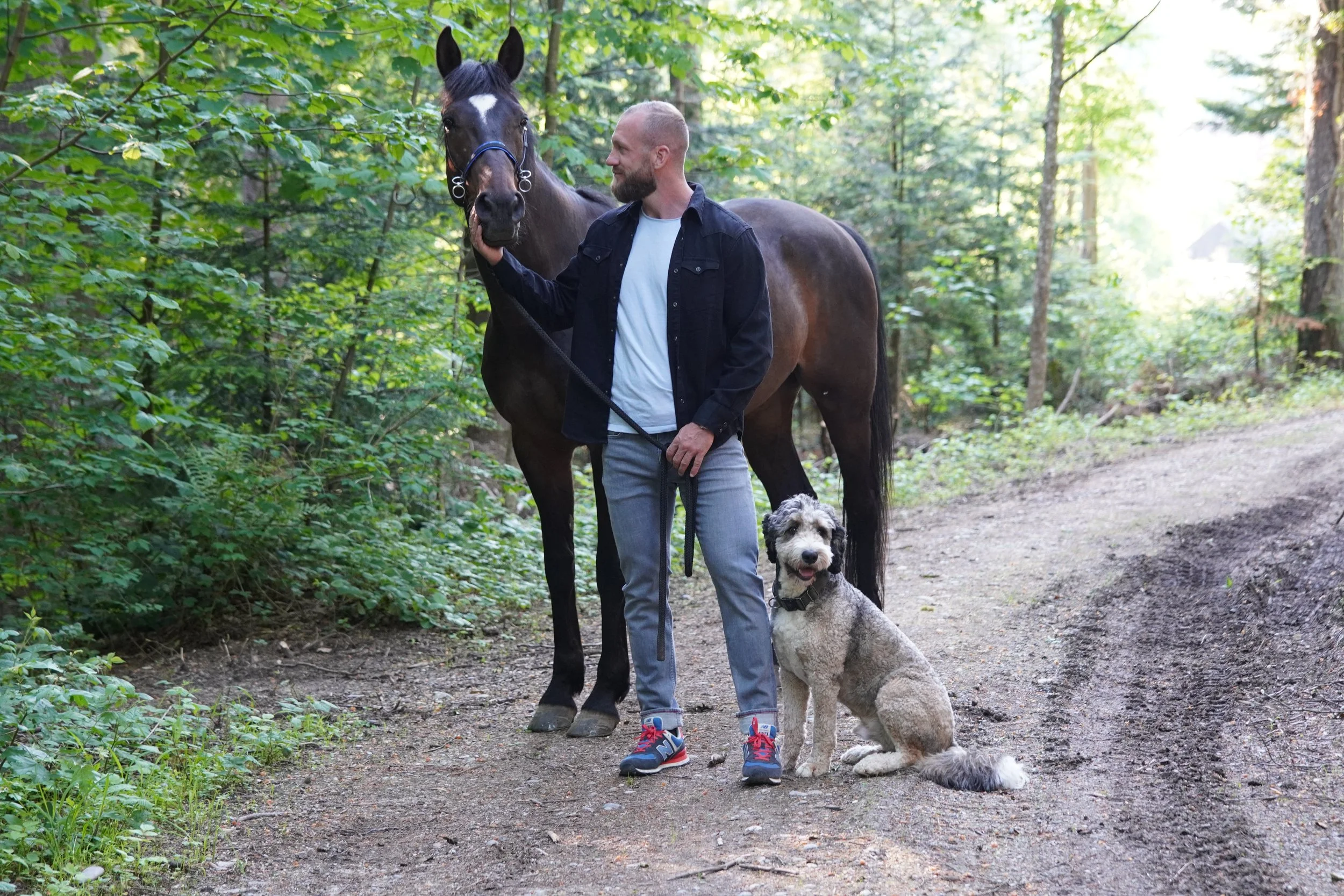
For many horse owners today, it goes without saying that horses need exercise, regular access to pasture, and the freedom to move around. Not because they’re being spoiled, but because people have come to understand what an animal truly needs.
This is exactly where it’s worth taking an honest look at many dog owners. Many dogs live in safe physical conditions, but not in a way that truly meets their species-specific needs.
The Heart-Head-Hand Method – Leading with Empathy, Awareness, and Consistency
Many people want a dog that is simply reliable—one that listens, follows, and stays close to them without a leash or treats.
But this only works if we understand that a dog always reflects the person who leads it. So if you truly want change, you must first change yourself—in your heart, in your mind, and in your actions.
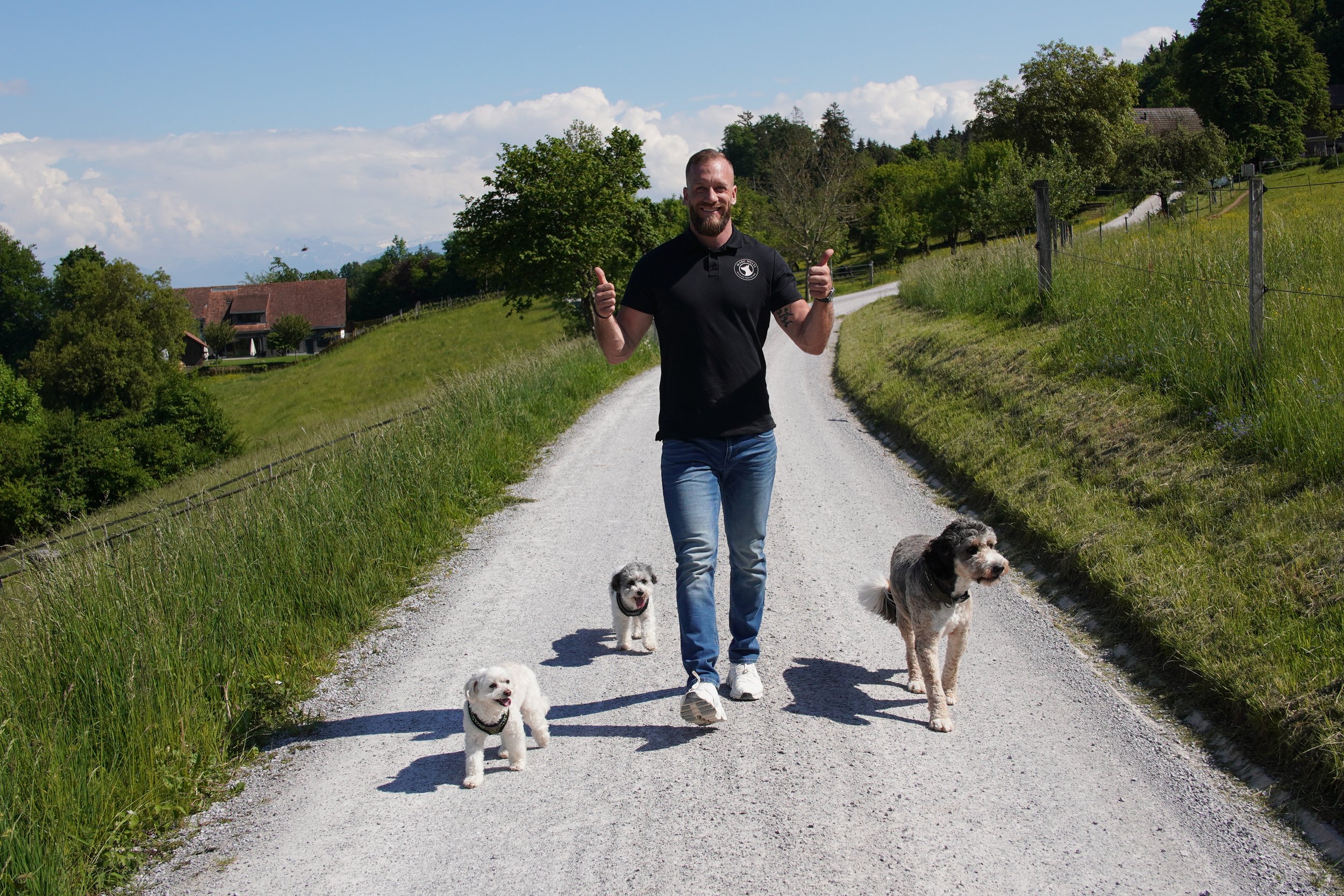
A good dog trainer doesn't just work on the dog—but also on themselves
Many coaches and trainers share a common trait: they are either very good with dogs—or very good with people. It’s rare to excel at both. But that’s exactly what makes a truly good coach.
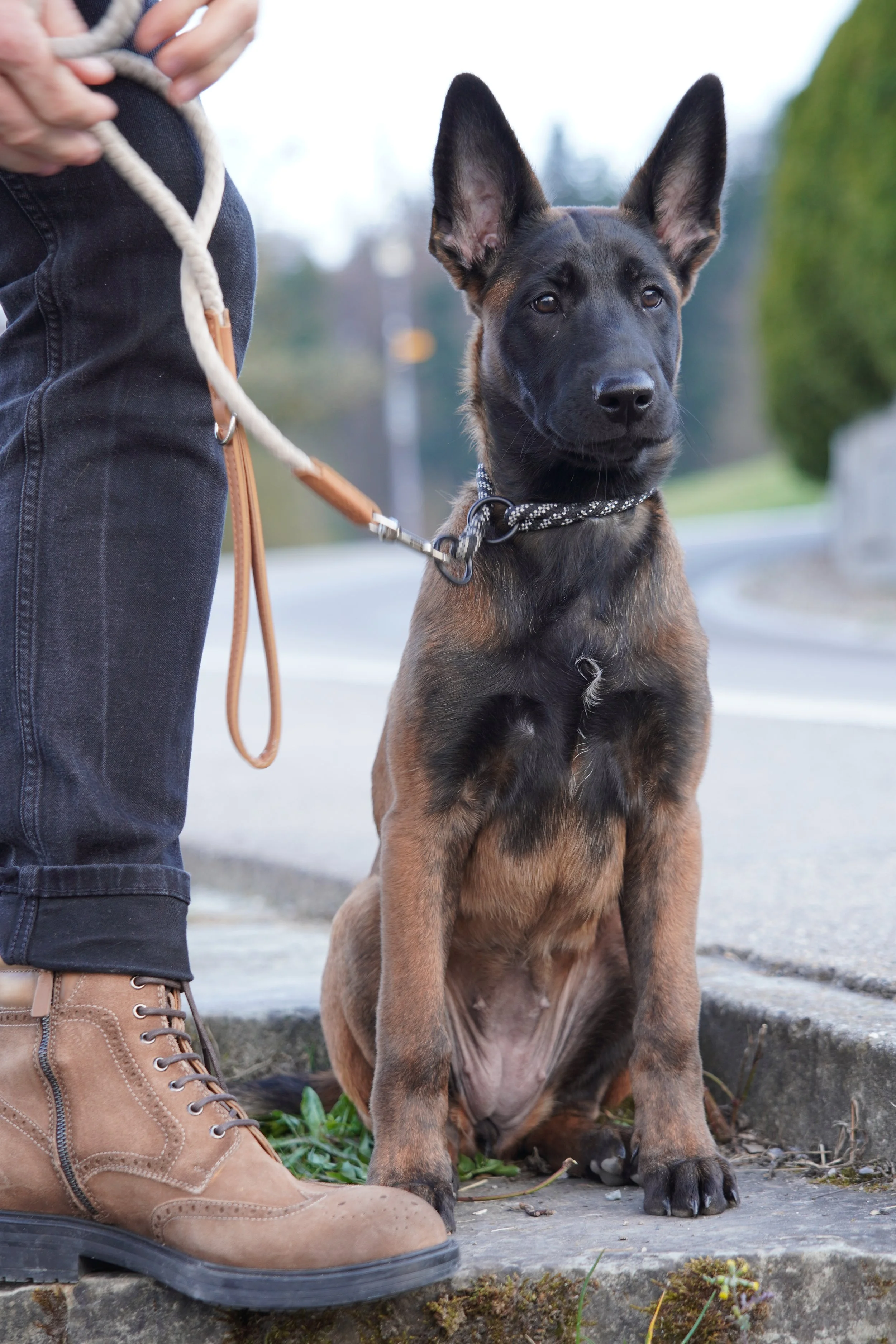
The Courage to Be Happy
Many dog owners hear the phrase:
“Oh, he’s just going through puberty.”
Sometimes at 10 months. Sometimes at 18 months.
And sometimes even at 2 years old.
This is exactly where the confusion arises.
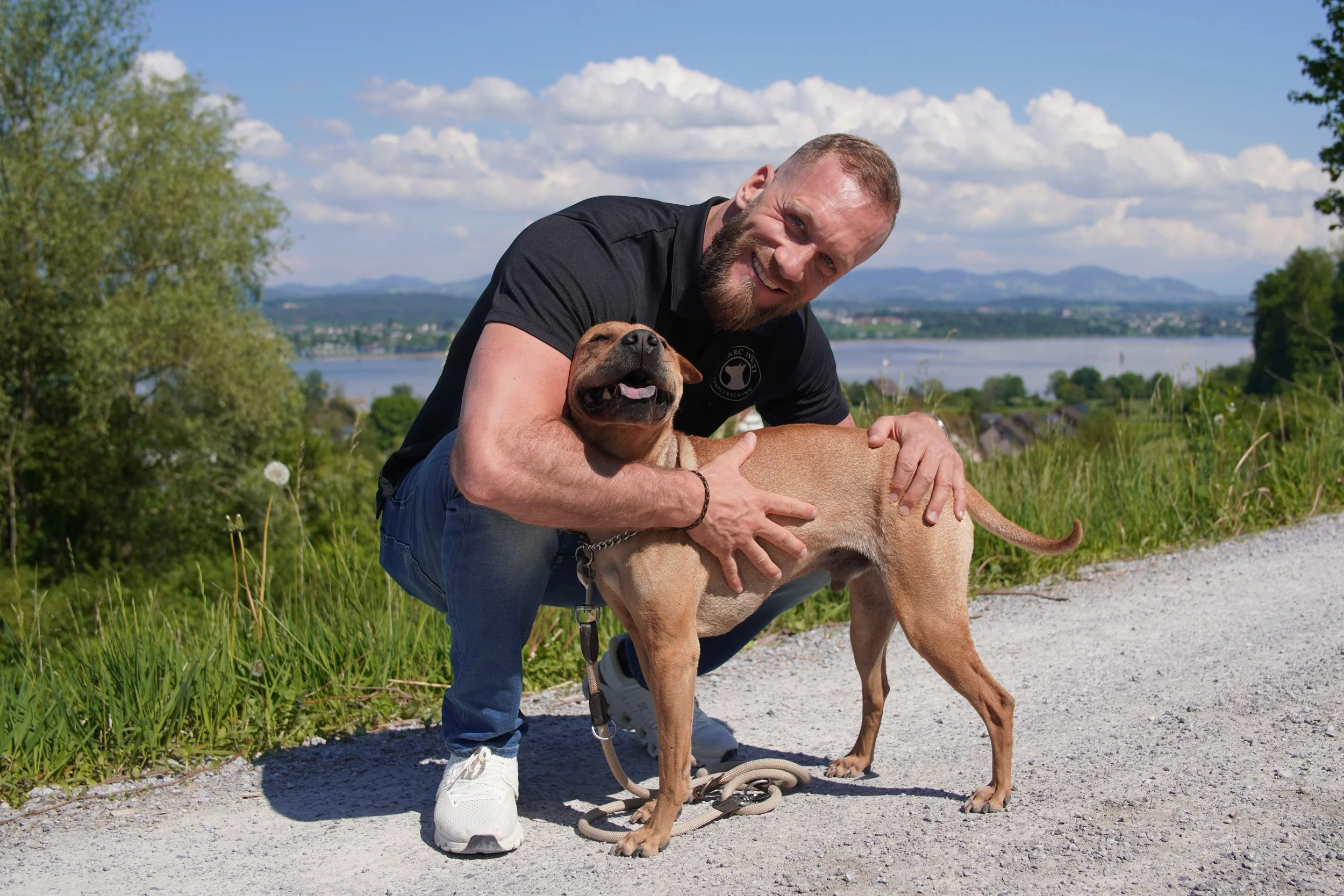
Motivation is not reliable
Why discipline is crucial in dog training. Many people try to train their dogs using motivation. They believe that if the dog isn’t constantly motivated, something is wrong.
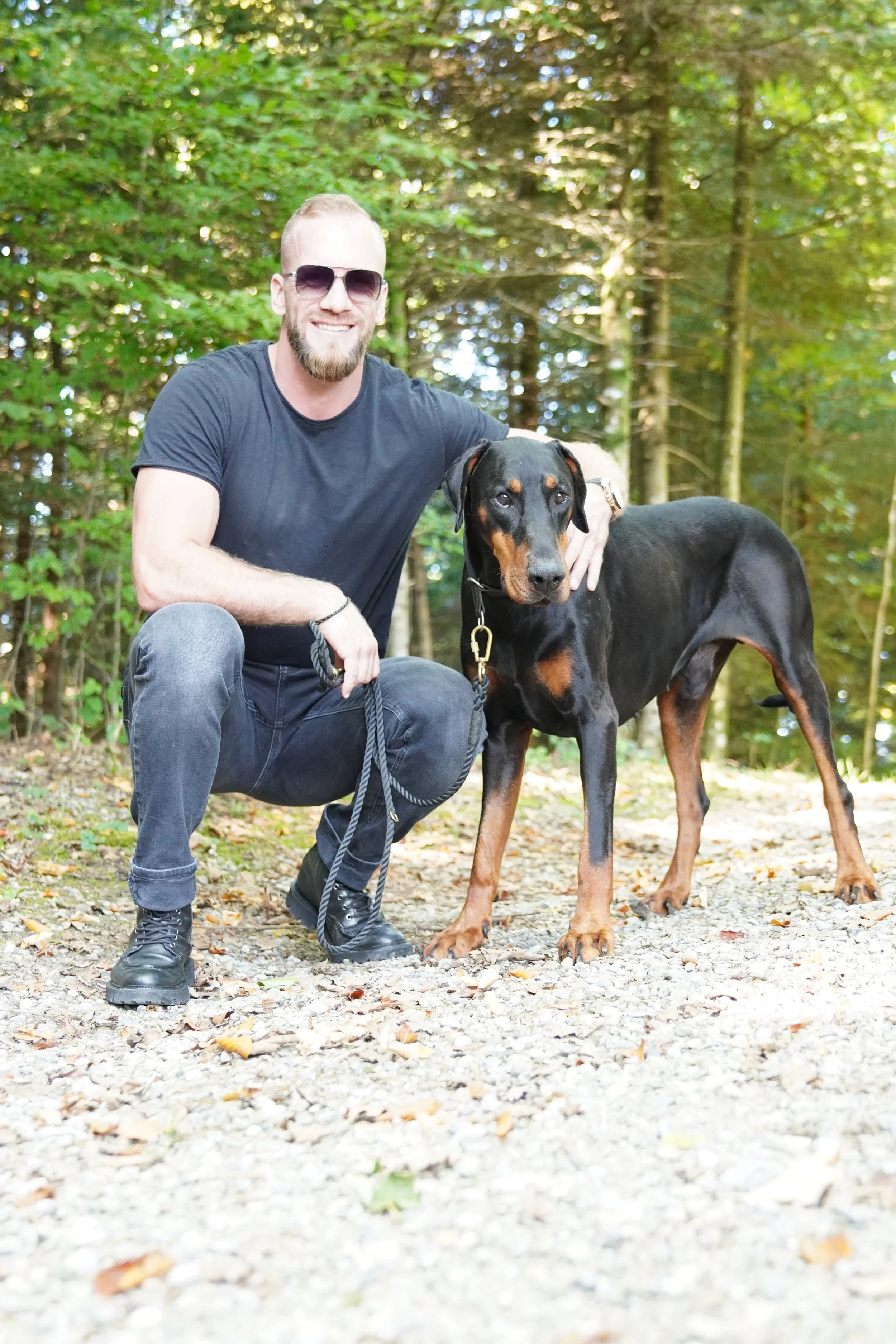
Embrace, don't hold on
A relationship is about embracing the other person. It’s not about holding them back. Of course, this is meant metaphorically. It’s less about physical closeness and more about an inner attitude. Holding someone back is restrictive. Embracing is open and expansive.
And it is precisely this difference that is so important in the relationship with a dog.
Are you interested in an initial consultation? Book your appointment today.
During your first meeting, you will receive detailed information about our training concept and we will inquire about your individual challenges. In this way, we can find out how we can help you most effectively.