
Why you don't have to trust your dog - but yourself
Many dog owners believe that they simply have to trust their dog more. But trust is not something that you simply decide to do - trust has to be earned. Just because you trust your dog more does not automatically mean that he is trustworthy. Trust is not built through hope, but through experience, reliability and repetition.
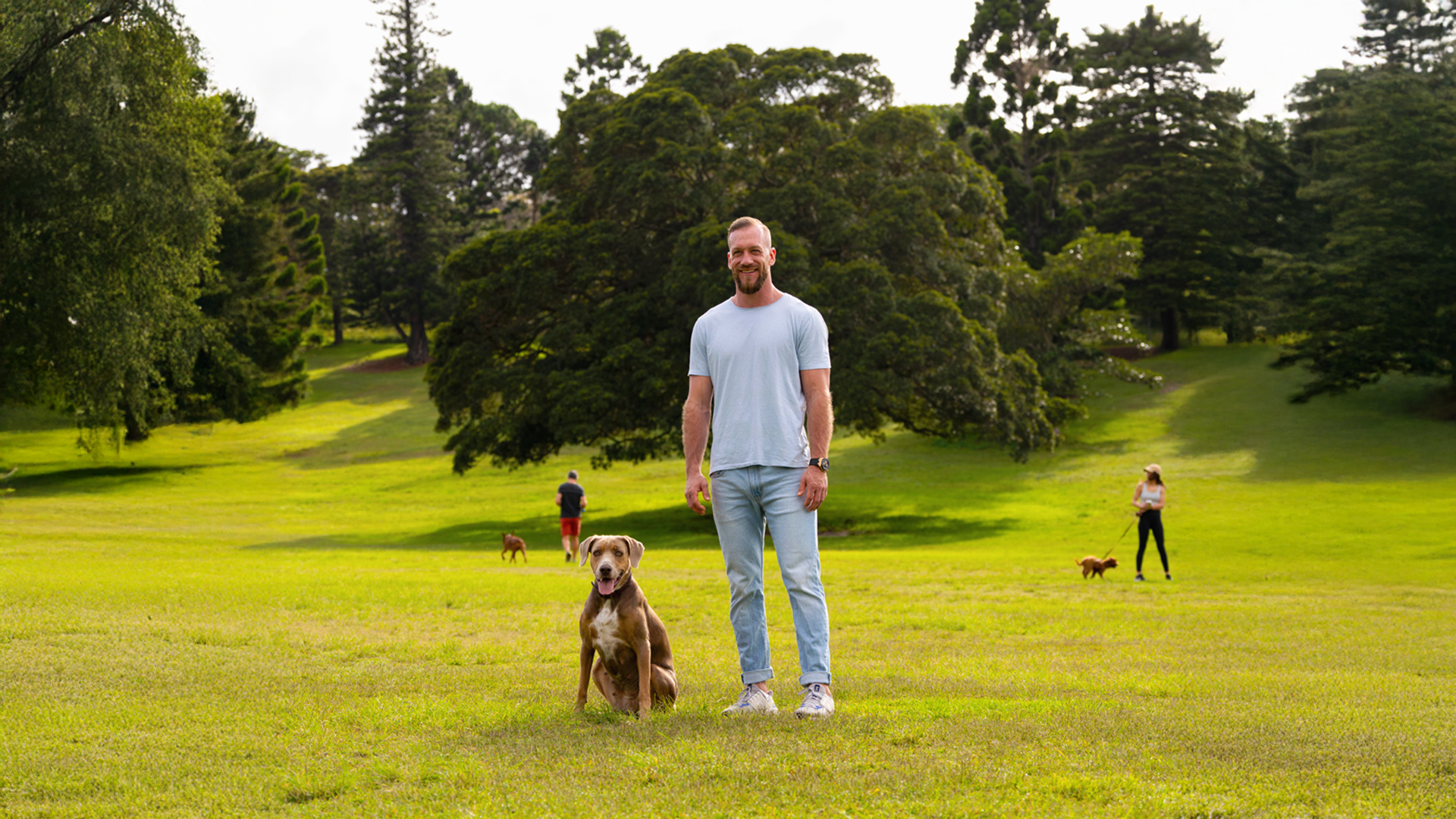
Trust must be earned
A dog must first show that it can be led in certain situations, that it accepts boundaries and that it remains calm even when things get difficult. Only then does real trust grow - not from wishful thinking, but from lived reality. Many people confuse trust with optimism. They hope: "This time it will go well." But the dog realizes that this inner security is missing. And that's exactly what makes him insecure.
In stressful situations, it's not trusting your dog that counts - it's trusting yourself
If you go into a dog encounter knowing that your dog is likely to freak out, then you need to have confidence in yourself - not confidence in the dog. You don't have to believe your dog at that moment, you have to believe yourself. Trust your reaction. Trust your timing. Trust your presence. That's the crucial difference between leadership and hope.
Calm with focus - presence without tension
If you find yourself in such moments, stay calm - but not passive. Stay present - but not tense. Get your dog to sit. Stand calmly in front of him. Breathe. Focus on yourself. Don't trust that "nothing will happen". Trust that you will be ready when something does happen. These subtle differences determine whether you master dog encounters with confidence - or whether you end up in stress and chaos every time.
Self-confidence instead of illusion
Many people try to gain security through trust in the dog - even though they know inside that the dog is not reliable in certain situations. This creates inner tension because your head and your feelings contradict each other. The way to true calm is not through the dog, but through yourself. Gain security through your own clarity. About your behavior. About your reaction.
Conclusion
You don't have to trust your dog. You have to trust yourself. Trust your presence. Trust your reaction. Trust your inner strength. Your dog can sense exactly whether you are confident in yourself or not. If you remain calm, focused and clear, your dog will automatically become calmer - not because you trust him, but because you trust yourself. That is real leadership. And that's where trust begins - not in the dog, but in you.
Do you want to learn how to build up your self-confidence when dealing with your dog - so that nothing upsets you? Then start with your free initial consultation!