
What your dog really needs - and when
When a dog is sick, injured or weak, it is clear what it needs: Affection, empathy, closeness and care. He should feel that you are there, that he can let himself go and that he is safe. However, many people make the mistake of showing the same reaction when the dog is nervous, overwhelmed or ignorant. And that's exactly what throws him even more off balance.
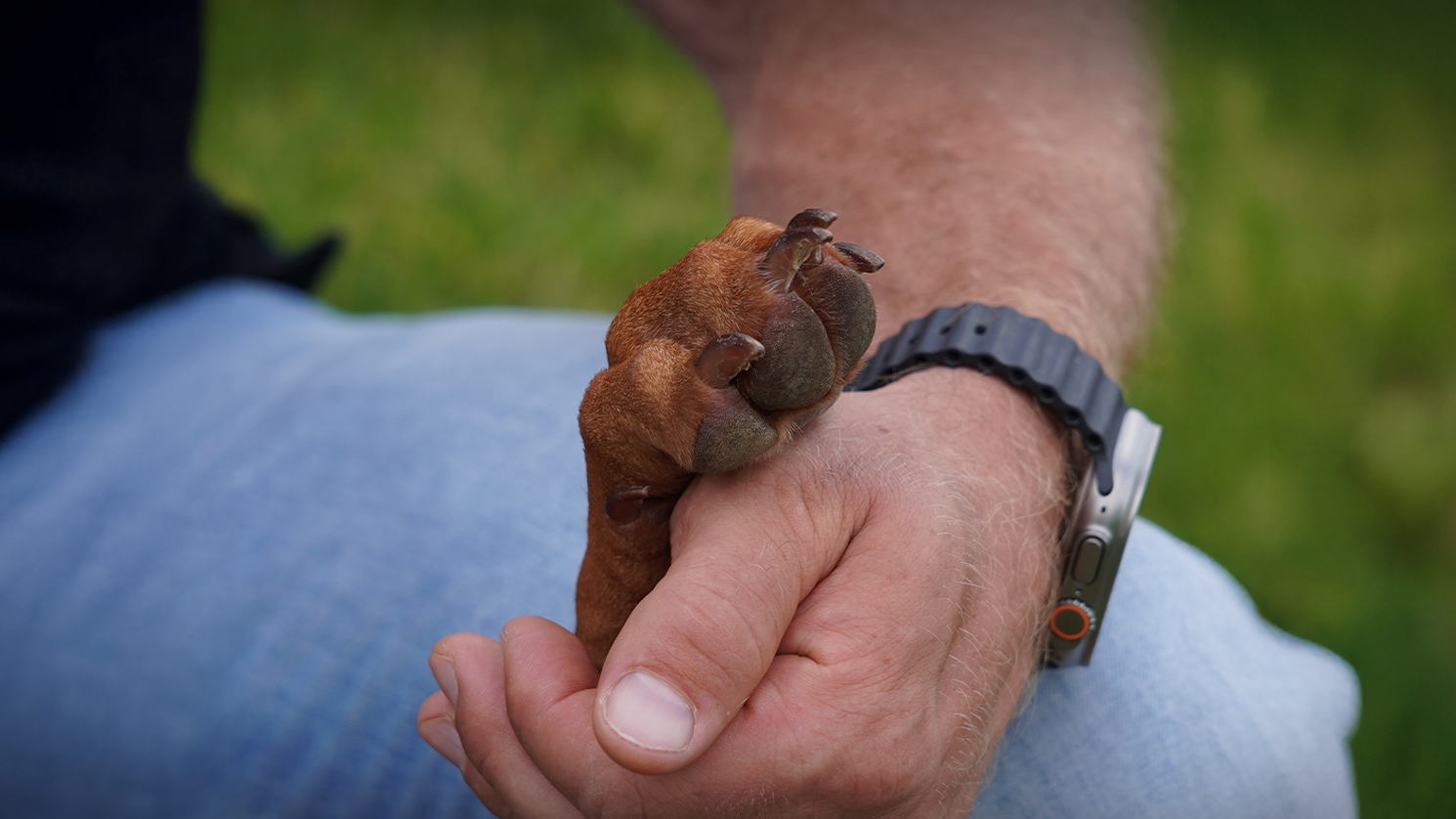
The difference between weakness and uncertainty
A sick or injured dog is in a state of physical weakness. At this moment, he needs your gentleness, your warmth, your calming energy. A nervous, overwhelmed or disrespectful dog, on the other hand, is not weak - he is disoriented. If you stroke him in this state, you are unconsciously "telling" him that he should see for himself how he can cope with the situation. He interprets your affection as: "If I have a problem, you're not taking it seriously. You're not giving me a solution." This doesn't reassure him - it confuses him. Because inside, he's not looking for closeness, but for guidance.
What a nervous or overwhelmed dog really needs
He needs clarity. He needs leadership. He needs a person who remains calm, is present and takes responsibility. The moment you become stable inside and make a clear decision - your dog feels safe. This is the true form of reassurance: not through petting, but through guidance.
Affection is important - but used consciously
Affection is a valuable part of every human-dog relationship. But it loses its value if it is shown unconsciously or out of impatience. Petting often doesn't come from genuine calm, but from an inner hope: "It should work now..." "He should finally be calm..." This energy is transferred - and only makes the dog more insecure. True affection comes from calmness, not from expectation. It comes after clarity, not instead of it.
The balance between heart and leadership
A balanced dog needs both: affection and clarity. But the decisive factor is the order.
If he is insecure or nervous → first guidance, then closeness.
If he is ill or injured → first closeness, then rest.
This creates a healthy, stable relationship - a relationship in which your dog knows when he is allowed to lean and when he is being led.
Conclusion
Love is not always gentle. Sometimes it manifests itself in a clear attitude, calm energy and consistent action. A dog that is overwhelmed doesn't need comfort - it needs direction. A dog that is ill does not need a command - it needs attention. Leadership means knowing the difference. And that is where true empathy lies.