
Being strict isn't mean—it's love in action
Time and again, I come across the same issue in my coaching sessions: Many dog owners aren’t strict enough with their dogs. They let things slide, make excuses, negotiate, or hope that “things will get better eventually.” And time and again, I hear the same phrase: “I don’t want to be too strict.”
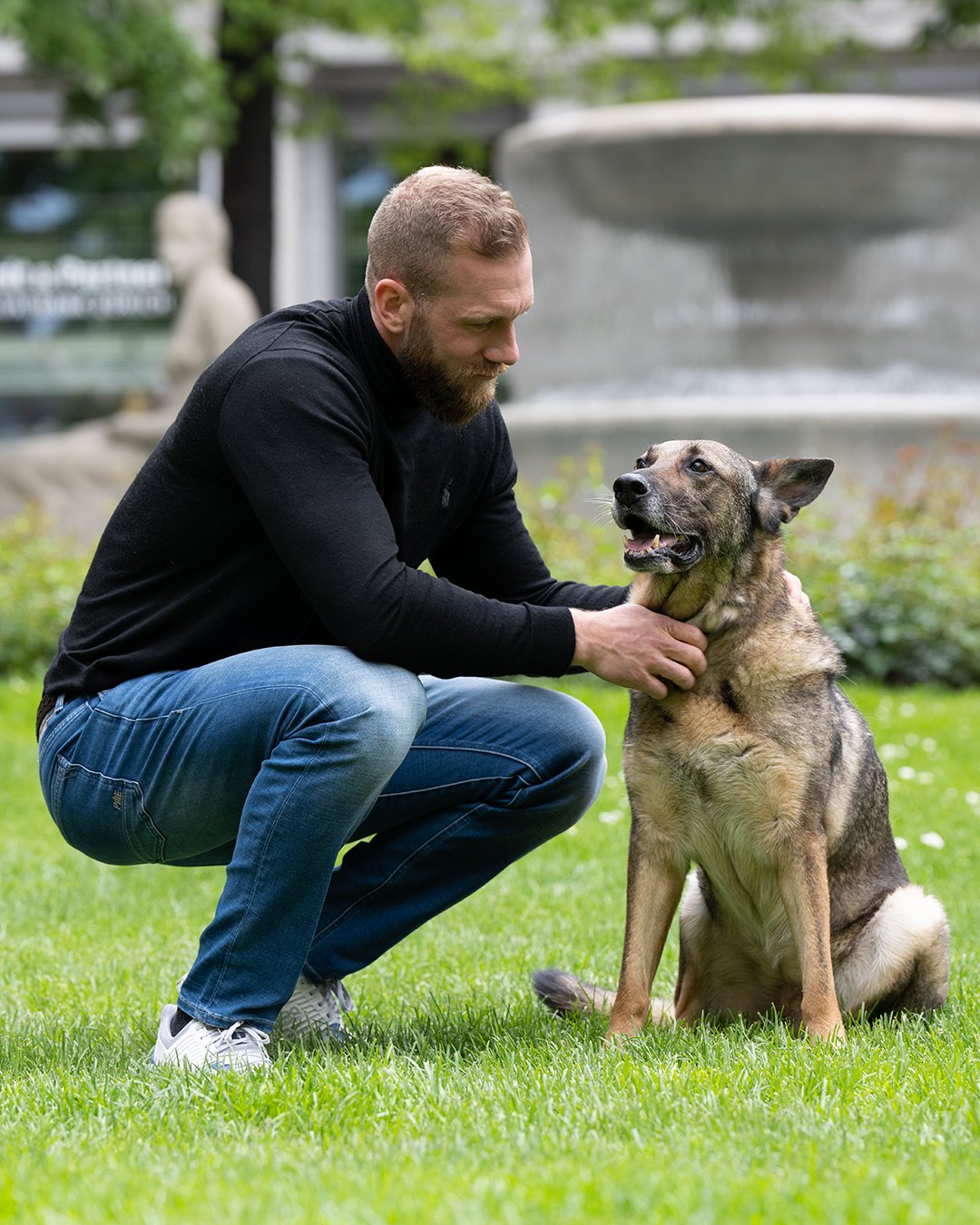
But what does that actually mean—“being strict”? And why do so many people find it so difficult?
Being strict is not the same as being violent
Many people associate “strictness” with violence, coldness, or punishment.
They think: If I’m strict, I’m being unfair or mean to my dog. But the opposite is true.
Being strict doesn’t mean resorting to violence. It means being present and clear.
It means providing reliable guidance.
It means doing the right thing—even when it’s uncomfortable.
A dog doesn’t need a life without boundaries; it needs guidance. When you set boundaries for your dog, it knows how to move freely without causing trouble. This creates a sense of security. And security is the greatest gift you can give your dog.
Discipline is love given structure
A dog feels comfortable when you provide clear guidance. When you know what you want—and stand firm about it.
He doesn’t need your guidance because he’s weak, but because he wants to trust you and needs direction.
So firmness is nothing more than love expressed through structure.
When you show your dog that you’re taking responsibility, he can relax because you’re in charge.
Why many people find it difficult
Many dog owners want to “do it right.” They want to be loving, patient, and understanding. That’s wonderful—but it often turns into insecurity.
This is rarely due to laziness, but usually stems from an inner belief:
“If I’m strict, I’m being mean.”
Or:
“I don’t want my dog to dislike me.”
But the opposite is true.
A dog doesn’t love you because you let him get away with everything—but because you provide him with stability.
True love is shown by facing the uncomfortable situations that training entails.
Because you’re not doing it out of anger, but out of a sense of responsibility.
The Mirror in Everyday Life
Here's an interesting point: People who have trouble being consistent with their dogs often have the same problem in other areas of their lives.
Take a good, honest look:
In what other situations do you find it hard to set boundaries?
When do you say “yes” even though you actually mean “no”?
Why do you want harmony—instead of clarity?
Your dog senses exactly that. And he doesn't react to what you say—but to what you project and how you live your life.
Small Steps Toward Clarity
Consistency is like a muscle—it grows every time you use it.
Do small exercises that are easy to implement.
For example:
Send your dog to his blanket and keep at it until he stays there for a few seconds. If he gets up, immediately and firmly bring him back.
No anger. Just consistency and clarity.
After a few repetitions, you’ll realize:
“Ah—he gets it. And it doesn’t feel bad at all.”
That’s the moment when you feel your inner strength.
Your New Inner Attitude
Try replacing the word “strict.”
Don’t say “I have to be stricter” anymore; instead, say:
“I’m taking the lead.”
“I’m being clear.”
“I’m giving my dog guidance.”
And when you notice yourself hesitating inside, remember this sentence:
“I’m allowed to be clear. I’m allowed to lead. I’m doing this out of love—not out of anger.”
Conclusion
Your dog doesn’t just need affection. He also needs clarity.
Being firm means taking responsibility.
It means not jeopardizing your dog’s trust with unproven beliefs.
And it means leading with love—even when it’s uncomfortable.
Once you internalize this, you’ll see:
Your dog will become calmer and more reliable.
You’ll become more relaxed.
And you’ll both grow—side by side—beyond your current selves.
Schedule your free initial consultation here now and find out how you and your dog can become a true team—with clarity, trust, and ease.