
Discipline is like a muscle—even when it comes to training dogs
Discipline is often misunderstood. Many people think you either have it—or you don’t. But that’s not true.
Discipline is like a muscle:
When you use it, it consumes energy.
When you train it, it gets stronger.
And if you push it too hard, it gets tired.
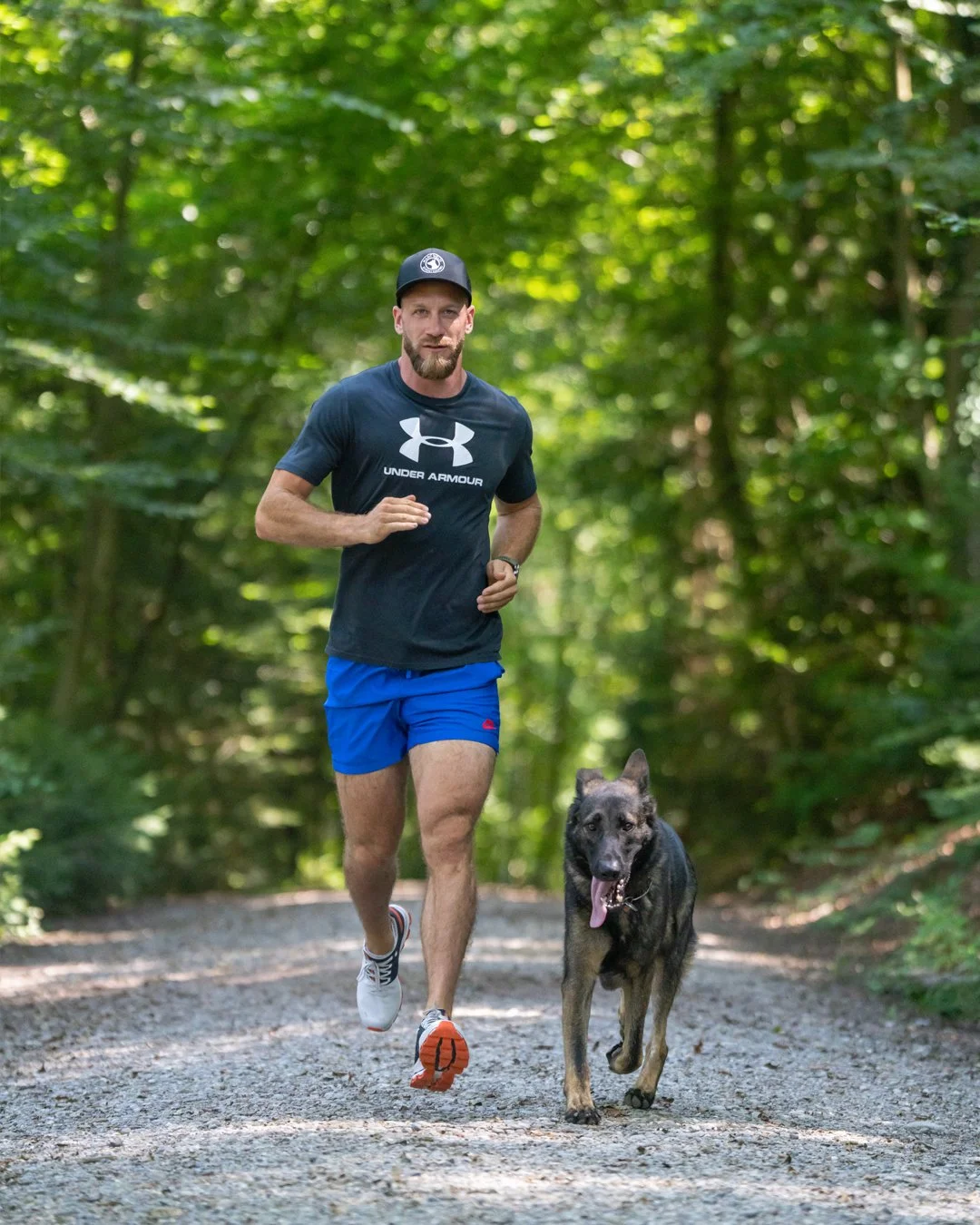
Discipline takes energy
Every time you make a conscious decision—whether you’re resisting temptation, forcing yourself to get going, or staying focused—your brain is working overtime.
That takes energy.
The more decisions you make, the more you exercise self-control or motivate yourself in your daily life, the harder it becomes to stay consistent at the end of the day.
Example:
In the morning, you resist the urge to check your phone.
Then you work with focus, avoid distractions, stick to your diet, and stay calm in traffic.
And in the evening?
Suddenly, you find it hard to say no to chocolate or Netflix.
Not because you’re weak—but because your “self-control muscle” is tired.
Exercise Makes You Stronger
Just like with real muscles, you can train your willpower.
If you consciously follow through on small tasks regularly—making your bed in the morning, taking a cold shower, sticking to your routines—your discipline will automatically grow stronger.
You’ll need less and less energy because many of these things become habits. In this way, willpower eventually becomes second nature.
It's All About Your Mindset
It’s not just fatigue itself that limits your discipline—it’s your belief in it.
People who are convinced that their willpower is limited actually tire more quickly.
People who believe they can refocus over and over again last longer.
In other words, your mindset determines how strong your discipline actually is.
What this has to do with dog training
This principle also applies to dog training.
Discipline, calmness, and focus must be trained—in both humans and dogs.
Many people get discouraged when things don’t work out right away.
But this is exactly where the following applies:
Don’t give up—instead, train consciously.
If you try to stay focused all the time, you’ll burn yourself out.
If you learn to switch between tension and relaxation, you’ll stay strong and clear-headed.
Using Energy Wisely
When walking your dog, you don’t always have to be 100% focused.
Allow yourself to relax every now and then.
If you notice your dog is constantly eating things off the ground, use a leash so you don’t have to keep stepping in.
If you have a very active puppy at home, feel free to use a crate—not as a punishment, but as a way to give yourself some peace and provide your dog with a sense of security.
After all, discipline doesn’t mean constantly being in control—it means knowing when you actively need to be in control.
The Mental Switch—Focus On, Focus Off
When I used to play ice hockey, we wore different practice jerseys than we did in games.
As soon as you put on the game jersey, it was clear: Now it’s time to get serious.
Your body, your mind—your whole system—switched into competition mode.
You can apply this principle to dog training:
When you’re practicing, mentally put on your game jersey.
Focus on.
Clarity.
Presence.
Goal.
After the exercise:
Let go of the focus.
Take off the jersey.
Back to “walking mode.”
This is how you conserve energy and stay motivated and stable in the long run—just like a well-trained muscle.
Conclusion
Discipline isn’t about forcing yourself.
It’s a skill you can train—step by step, decision by decision.
With the right mindset and a conscious shift between tension and relaxation, it grows stronger and stronger.
This applies to you—and just as much to your dog.
Because when you practice discipline and calm, you don’t get tired—you become mentally strong.
And that is precisely the foundation for true leadership, inner stability, and walking your dog off-leash.
Do you want to learn how to cultivate inner calm, discipline, and focus—with a systematic approach and mental strength?
Then start here with your free initial consultation.