
The Three Stages of Development in Dog Training
Many people want their dog to “just work” right away.
But true trust and reliability develop gradually—just like any stable relationship.
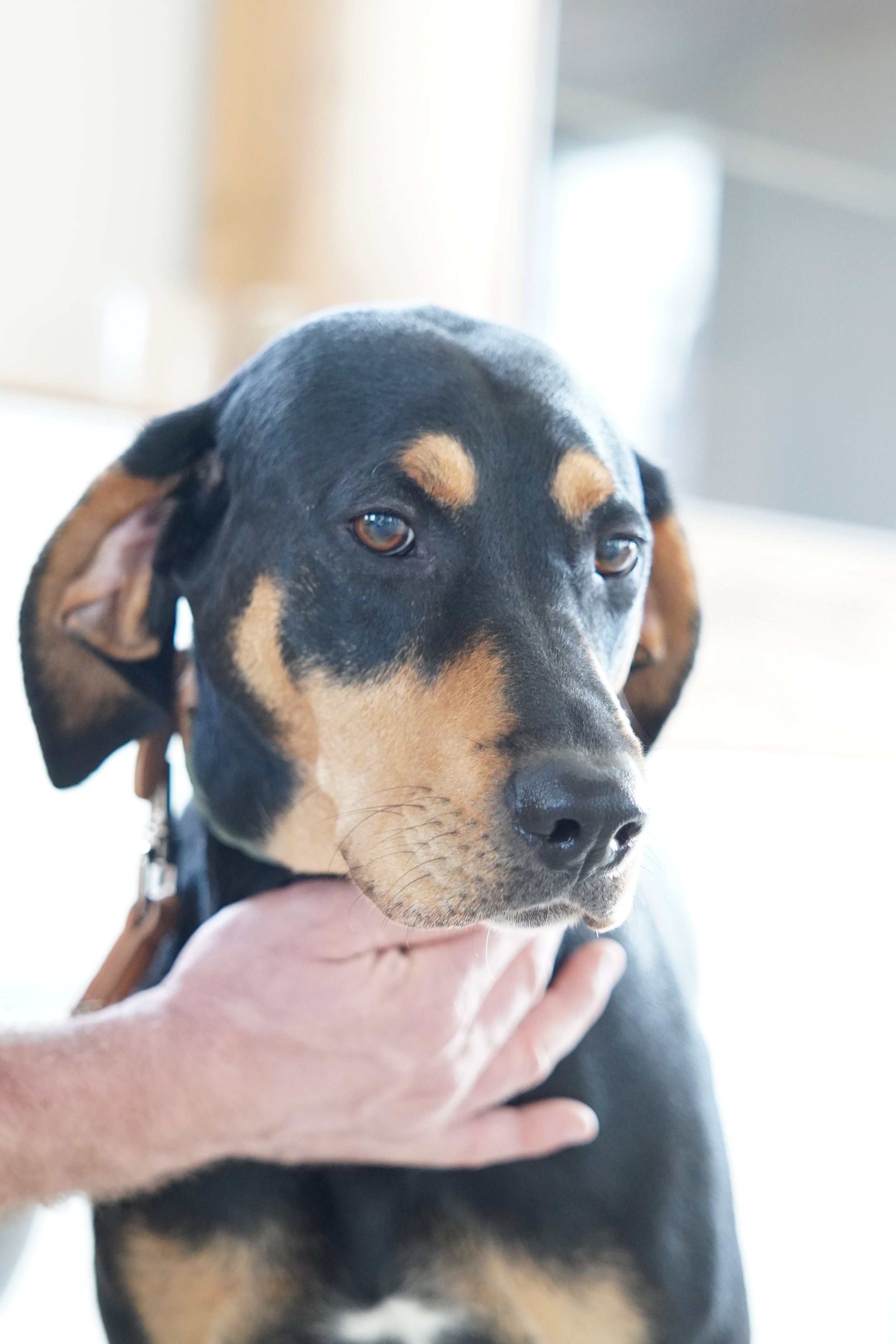
In dog training, there are three stages of development that you should be aware of and respect if you want long-term success and true teamwork.
Phase 1 – Full Attention (Laser Focus)
In the first phase, you need to be fully focused as soon as you start working with your dog.
At this stage, your dog is still learning, and even the slightest lapse in attention can confuse him.
You can’t do anything casually during this phase.
When you’re training your dog—that is, when you’re giving him commands—you need to be 100% focused—not 90%, not 95%, but truly fully present.
This means:
No cell phone.
No talking to others.
No dinner on the side.
No daydreaming or letting your mind wander.
Because your dog picks up on your energy. If you’re only half-present, he can’t fully rely on you.
This phase is intense—but it’s necessary.
This is where you lay the foundation for trust and reliability.
Phase 2 – Deliberate Distraction
In the second phase, the system begins to stabilize.
You remain focused, but you start incorporating everyday situations in a targeted way.
You practice with small distractions:
You talk to someone, you briefly pick up your cell phone, you move more freely, and you leave more space between yourself and the dog.
The dog is now learning to be reliable even when you're no longer in complete control.
But be careful: This phase isn’t about “letting go.”
It’s about conscious testing.
You’re checking to see if your dog understands the signals even when you’re no longer 100% focused.
If it’s not working yet—go back to Phase 1.
Phase 3 – Trust and Teamwork
In the third phase, the dog is reliable.
He understands you.
He responds consistently, even when you’re busy, distracted, or in the middle of your daily routine.
Now you can give commands while talking to someone, on a call, or otherwise distracted—and your dog will still respond correctly.
You are no longer “trainer and student,” but a team.
You don’t work against each other, but with each other.
That’s true connection—the goal of any good dog training.
Know where you stand
The most important thing in training is to honestly recognize which phase you're currently in.
Many people fail because they assume too early that they're already in Phase 3—even though they haven't properly completed Phase 1 yet.
So if you still need to correct your dog, aren't sure yet, or your dog doesn't respond reliably in every situation—stay in Phase 1 for now.
Train with precision.
Stay focused.
Don't move on until the foundation is truly solid.
Conclusion
True reliability doesn’t happen by chance.
It comes from clear stages, deliberate steps, and patience.
First, full concentration.
Then, deliberate testing.
Then, true trust.
That’s the path from “training a dog” to building a team.
If you follow this path, you’ll eventually realize:
You won’t need to constantly check up on them anymore—because you understand each other without words.
That’s the highest form of a relationship.
And that’s exactly the goal: the dog off-leash.
Do you want to learn how to build true reliability step by step and work with your dog as a team at the highest level? Then start here with your free initial consultation.